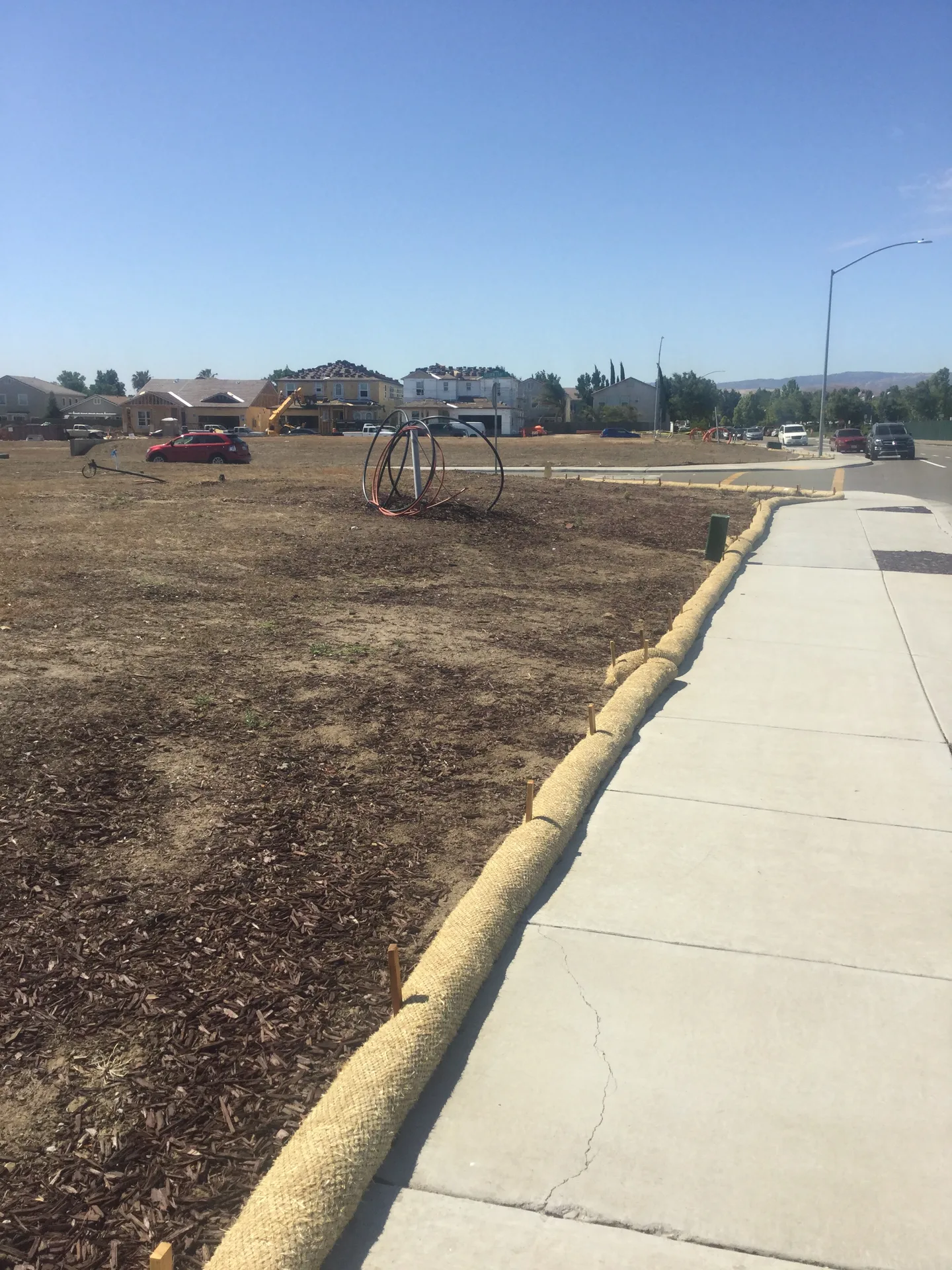
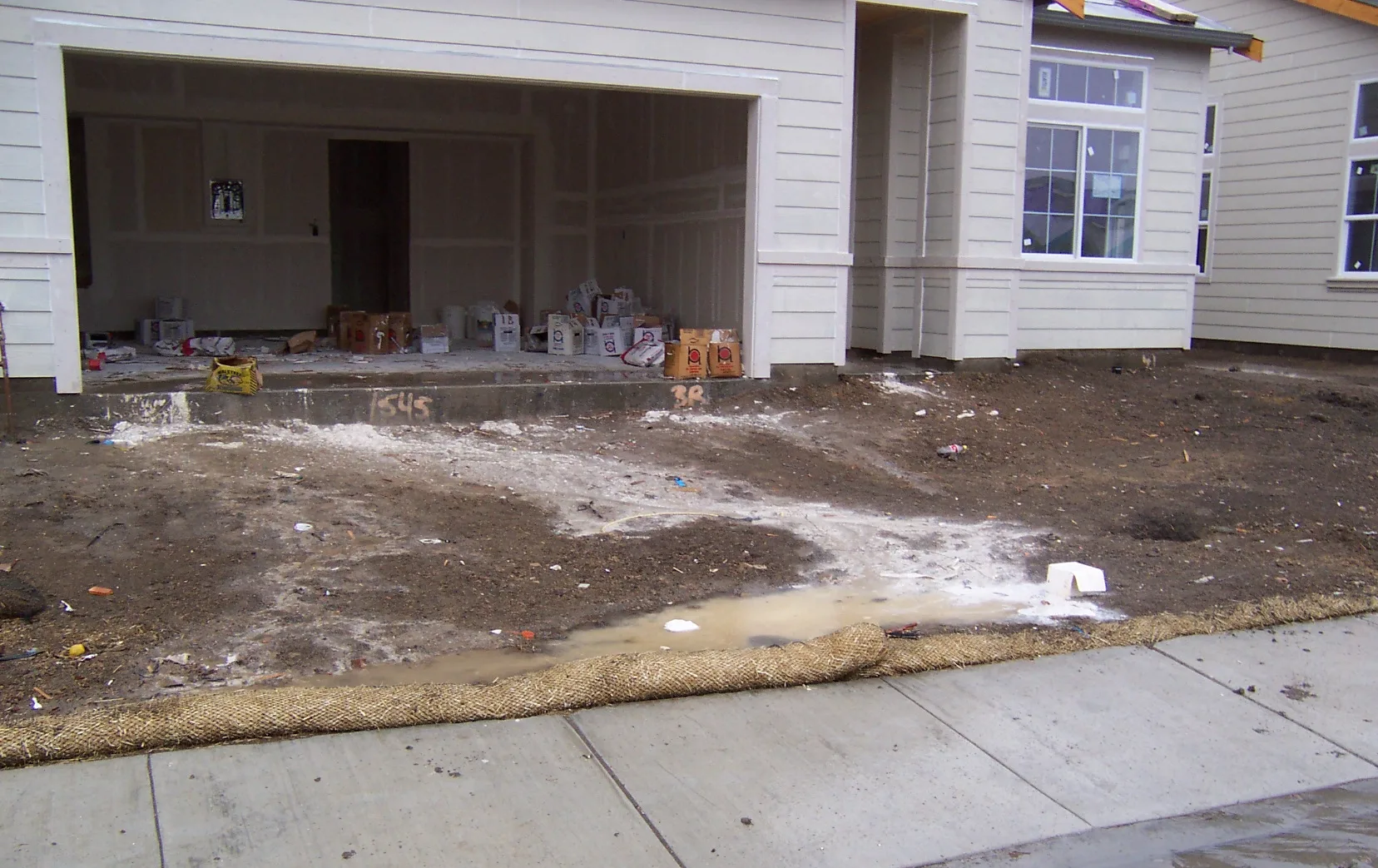
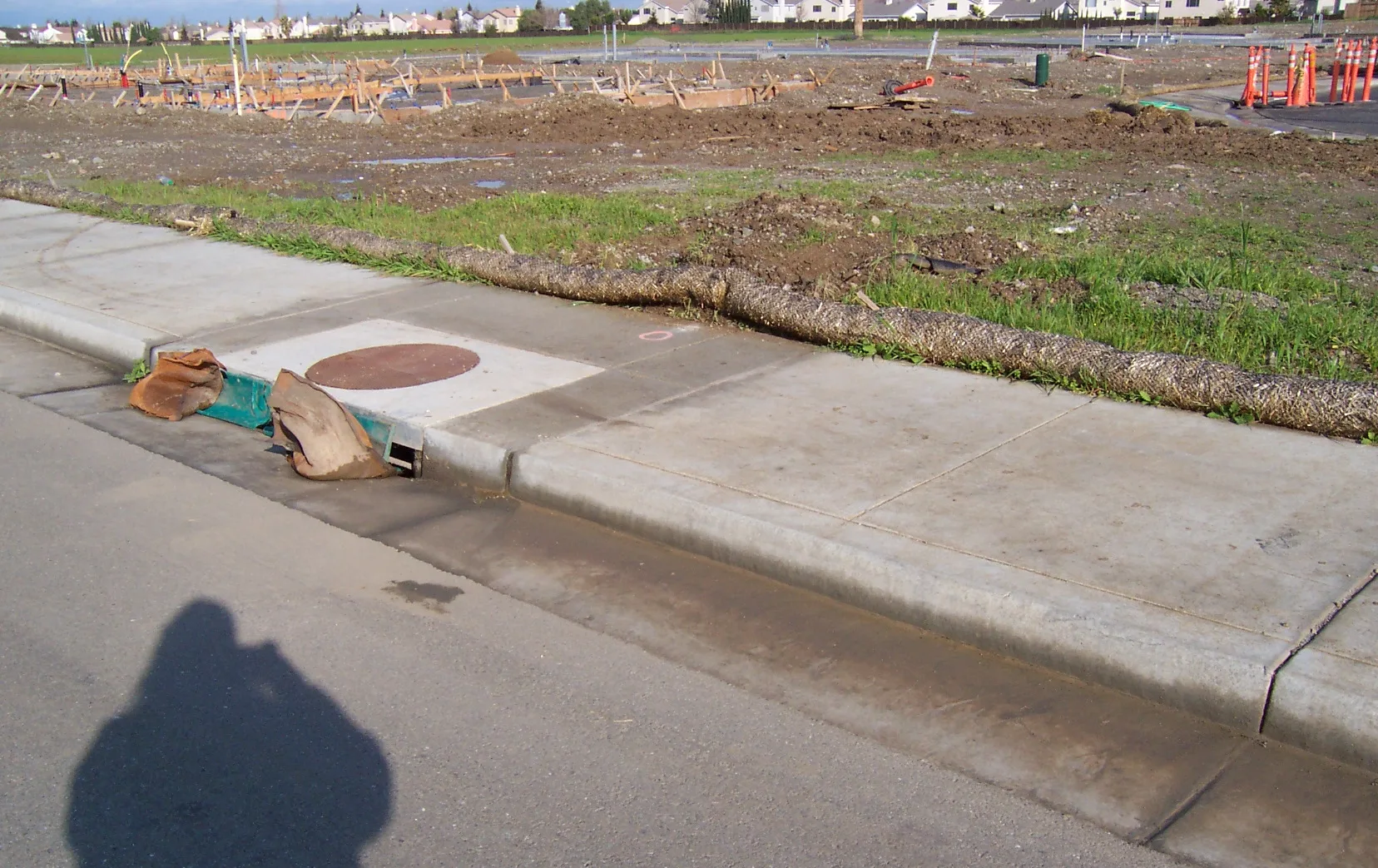
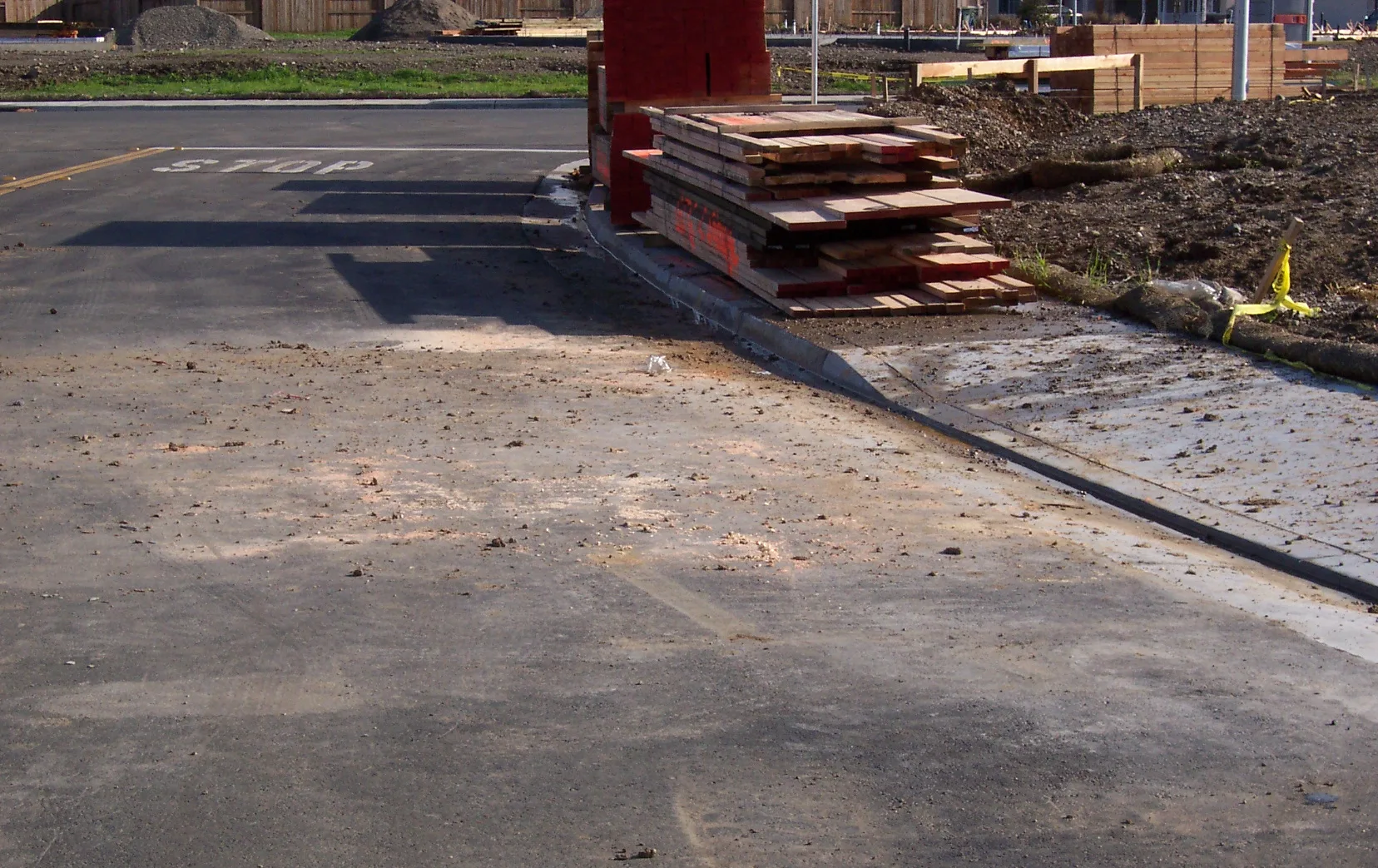
The California State Water Resources Control Board (State Water Board) regulates stormwater discharges from construction sites because such activities can mobilize pollutants and discharge them into water bodies and watersheds. By regulating these discharges, the State Water Board works to preserve, enhance, and restore California’s water bodies and water resources.
Construction activities subject to this permit include clearing, grading, and other land-disturbing activities such as stockpiling and excavation. Routine maintenance activities performed to restore the facility’s original line, grade, or capacity are not considered regulated construction activities under this permit.
When does the Construction General Permit apply?
Project proponents must obtain coverage under the National Pollutant Discharge Elimination System (NPDES) General Permit for Stormwater Discharges Associated with Construction and Land Disturbance Activities — commonly referred to as the Construction General Permit — if their project:
- Disturbs one (1) acre or more of soil; or
- Disturbs less than one acre but is part of a larger common plan of development that, in total, disturbs one (1) acre or more.
These requirements are established pursuant to the Clean Water Act and implemented at the state level to protect water quality throughout California.