Background
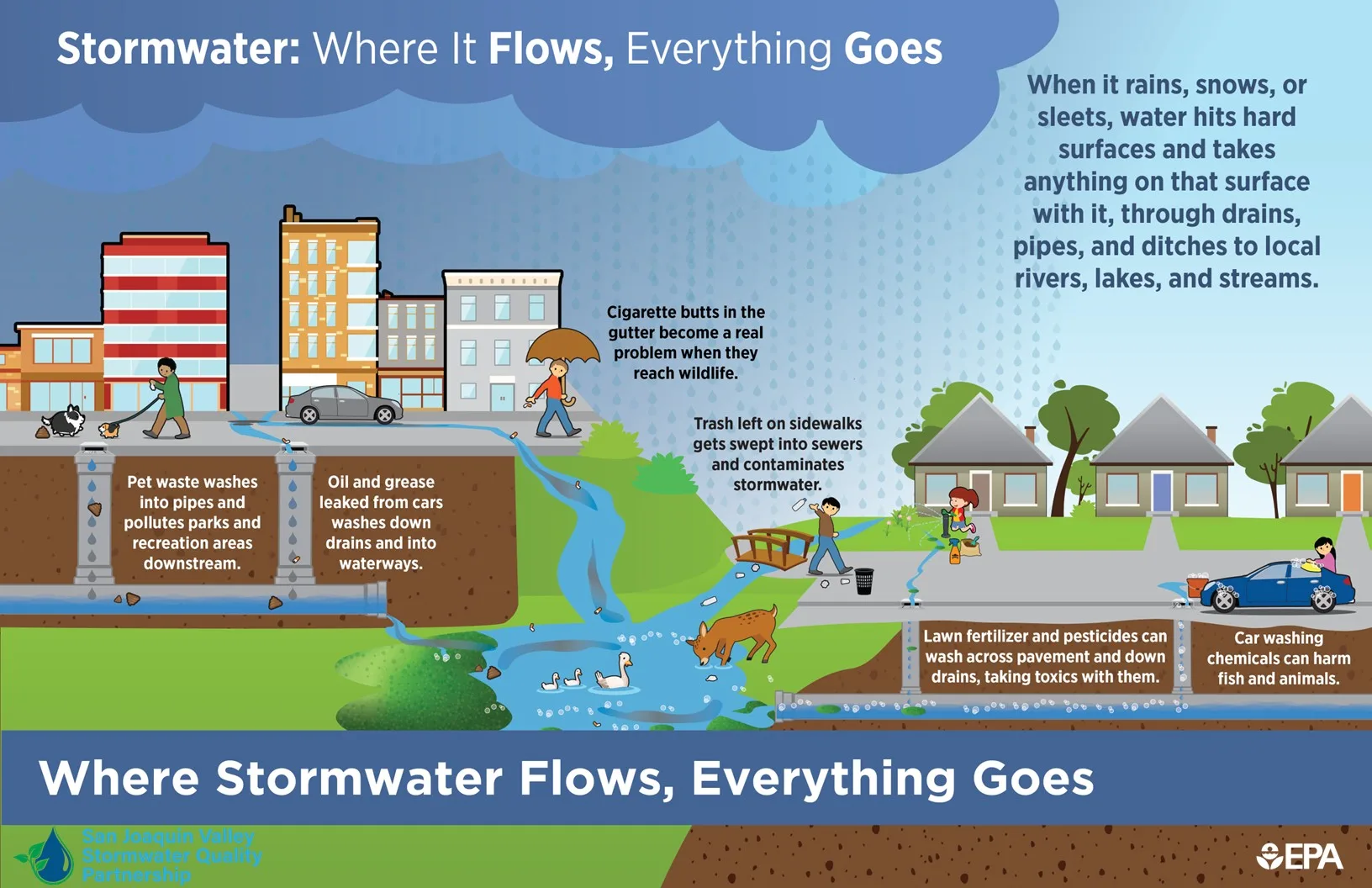
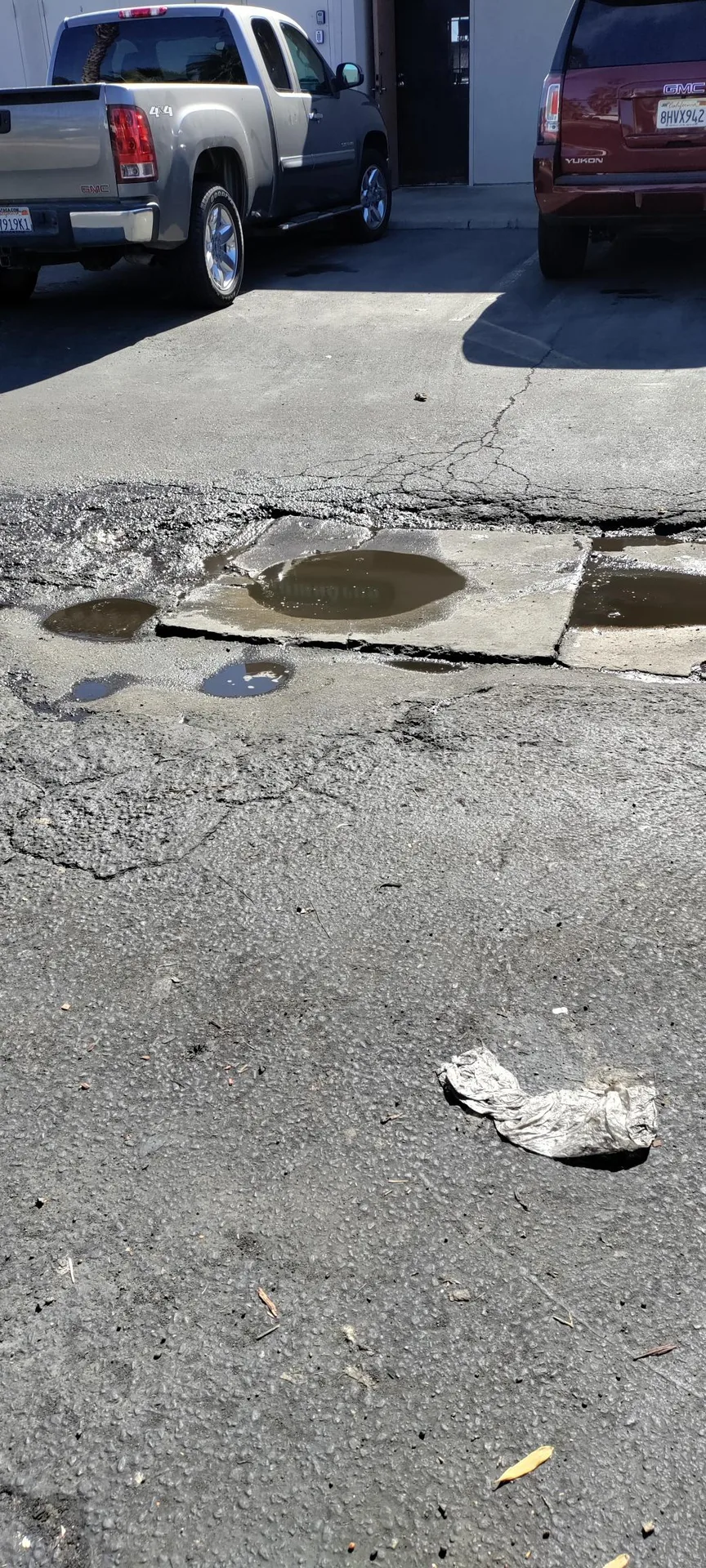
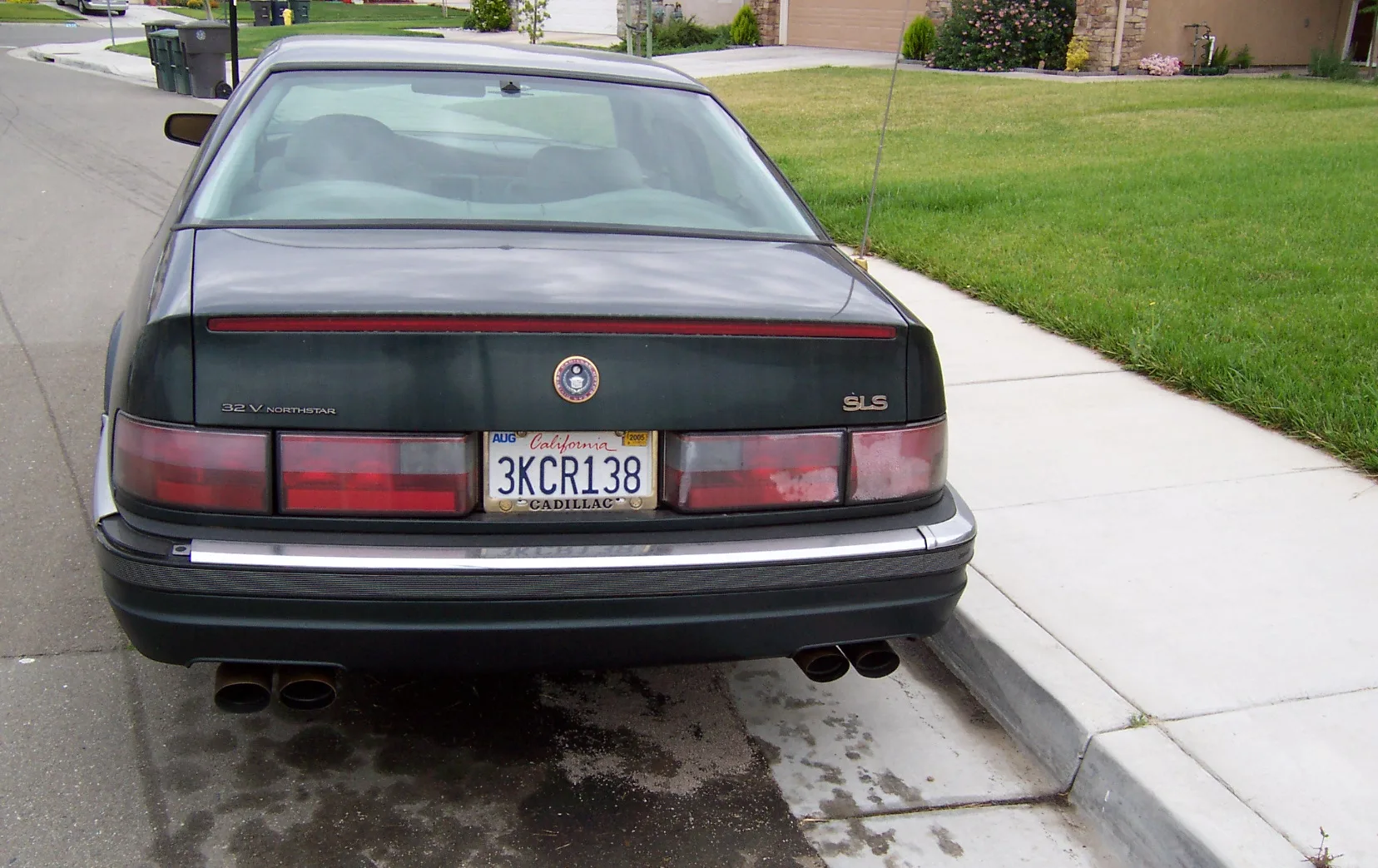
An “illicit discharge” is any discharge to a Municipal Separate Storm Sewer System (MS4) that is not composed entirely of stormwater. Illicit discharges include things like sanitary sewer cross-connections, illegal dumping, leaking sewer lines, vehicle wastewater, and improper disposal of household chemicals.
Each member agency is required by its MS4 permit to operate an Illicit Discharge Detection and Elimination (IDDE) program that includes inspections, investigations, public reporting tools, and enforcement.
Goals & Objectives
- Detect and eliminate illicit discharges before they reach receiving waters.
- Train staff to recognize signs of illicit discharges in the field.
- Provide an easy public reporting channel and respond to complaints promptly.
- Document and report findings to the State Water Board.
Common Sources
Construction activities
Sediment-laden runoff, dewatering discharges, concrete washout, and chemical spills from construction sites are among the most common illicit discharges. Contractors must follow the Construction General Permit and on-site BMPs.
Industrial & commercial
Auto repair, restaurants, mobile car wash, fleet maintenance, and similar businesses can discharge wash water, grease, fuels, or solvents to the storm drain. SB 205 strengthens compliance by tying business licensing to Industrial General Permit enrollment — see SB 205.
Municipal operations
Power washing, hydrant flushing, road maintenance, and parks operations all have the potential to produce non-stormwater discharges. Municipal staff training (see Trainings) covers BMPs to prevent these discharges.
Report a discharge
If you see an illicit discharge in your community — for example, someone dumping liquids into a storm drain, an unusual color or odor in a creek, or a sewage overflow — contact your local agency or call the California Environmental Hotline at 1-800-852-7550.